ᐃᑭᒋᐊᕐᕕᖓ ᑲᑉᐳᑎᓗᒍ %u.
ᐃᑭᒋᐊᕐᕕᖓ ᑲᑉᐳᑎᓗᒍ %u.
ᐃᑭᒋᐊᕐᕕᖓ ᑲᑉᐳᑎᓗᒍ %u.
ᐃᑭᒋᐊᕐᕕᖓ ᑲᑉᐳᑎᓗᒍ %u.
ᐃᑭᒋᐊᕐᕕᖓ ᑲᑉᐳᑎᓗᒍ %u.
ᐃᑭᒋᐊᕐᕕᖓ ᑲᑉᐳᑎᓗᒍ %u.
2025-02-05 2952
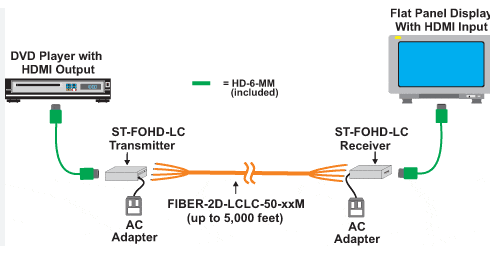
How to Extend Fiber Optic Cable: Methods, Tools, and Best Practices
Fiber optic cables are the backbone of high-speed data transmission, but what happens when your existing setup falls short of reaching its destination? Whether you’re expanding a network or troubleshooting connectivity gaps, learning how to extend ᐃᑭᒋᐊᕐᕕᖓ ᑲᑉᐳᑎᓗᒍ %u. effectively is crucial. This guide covers practical solutions, tools, and tips to ensure seamless signal integrity over longer distances.
ᐃᑭᒋᐊᕐᕕᖓ ᑲᑉᐳᑎᓗᒍ %u.
Fiber optic cables offer unparalleled bandwidth and speed, but physical limitations like distance or infrastructure changes often require extensions. Common scenarios include:
Expanding data centers or telecom networks.
Connecting remote buildings in corporate or industrial setups.
Upgrading residential broadband for faster internet access.
Properly extending fiber optics ensures minimal signal loss and maintains performance for applications like 4K streaming, cloud computing, and IoT systems.
Fusion splicing is the gold standard for permanent extensions. This method welds two fiber ends using a specialized machine, creating a seamless connection with near-zero signal loss.
Tools Needed: Fusion splicer, cleaver, heat shrink tubing.
Best For: Long-term, high-reliability installations (e.g., underground cabling).
For temporary or flexible extensions, mechanical splicing with connectors (LC, SC, ST) and couplers is ideal. This "plug-and-play" approach lets you join cables without splicing.
Tools Needed: Pre-terminated cables, compatible couplers, inspection microscope.
Best For: Office networks, quick repairs, or modular setups.
When extending beyond the cable’s maximum distance (e.g., 80 km for single-mode fiber), optical amplifiers boost the signal to overcome attenuation.
Tools Needed: EDFA (Erbium-Doped Fiber Amplifier) or repeater units.
ᐃᑭᒋᐊᕐᕕᖓ ᑲᑉᐳᑎᓗᒍ %u.
Best For: Long-haul telecommunications or undersea cables.
Signal Loss (dB): Calculate total loss from splices, connectors, and cable length to stay within system limits.
Cable Type: Single-mode vs. multi-mode fiber—ensure compatibility between existing and new cables.
Environmental Factors: Protect outdoor extensions from moisture, temperature swings, and physical damage using arᐃᑭᒋᐊᕐᕕᖓ ᑲᑉᐳᑎᓗᒍ %u.d conduits.
Cleaver and Stripper: Prep fiber ends for splicing.
OTDR (Optical Time-Domain Reflectometer): Test signal integrity post-extension.
Patch Panels: Organize and manage multiple connections in data centers.
Plan the Route: Measure distances and identify obstacles.
Prepare Fibers: Strip, clean, and cleave cables for splicing.
Splice or Connect: Use fusion splicing or connectors based on your method.
Test and Secure: Verify signal strength with an OTDR and seal splices in protective sleeves.
Ignoring Bend Radius: Sharp bends can cause micro-cracks and signal loss.
Poor Cleaning: Dust on connectors disrupts light transmission—always use lint-free wipes.
Mismatched Cores: Mixing single-mode and multi-mode fibers will fail—double-check specifications.
5G Networks: Extending fiber backhaul links to support ultra-fast wireless connectivity.
Smart Cities: Connecting traffic systems, security cameras, and public Wi-Fi.ᐃᑭᒋᐊᕐᕕᖓ ᑲᑉᐳᑎᓗᒍ %u.
Healthcare: Enabling high-speed data transfer for telemedicine and imaging systems.
Knowing how to extend ᐃᑭᒋᐊᕐᕕᖓ ᑲᑉᐳᑎᓗᒍ %u. empowers businesses and technicians to future-proof their networks without compromising speed or reliability. By choosing the right method, tools, and precautions, you can achieve seamless connectivity over any distance. For mission-critical projects, always consult certified professionals to ensure compliance with industry standards.
FAQ
Q: Can I extend ᐃᑭᒋᐊᕐᕕᖓ ᑲᑉᐳᑎᓗᒍ %u. without splicing?
A: Yes! Pre-terminated cables with connectors and couplers offer a splice-free solution.
Q: What’s the maximum distance for fiber optic extensions?
A: Single-mode fiber can span up to 80-100 km without amplification; multi-mode typically reaches 550 meters.
Q: Does bending affect extended fiber cables?
A: Yes—exceeding the bend radius (usually 10-20x the cable diameter) can cause signal degradation.